Markaq Pallaynin – Luci Quillahuaman
Del 5 de diciembre de 2025 al 17 de enero de 2026
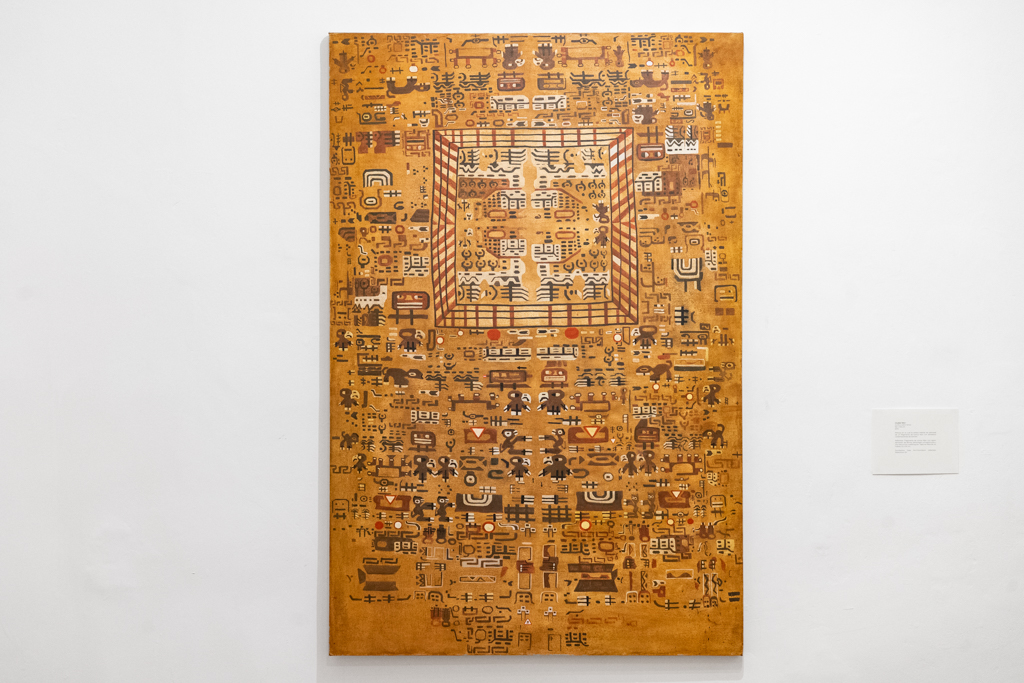
[ESP]
MARKAQ PALLAYNIN
CIUDAD HECHA DE SÍMBOLOS
Exposición individual de Luci Quillahuaman
La artista y arquitecta Luci Quillahuaman nos entrega una propuesta interdisciplinaria, en la cual integra los conocimientos del tejido tradicional que hereda de su familia, la arquitectura y las artes plásticas.
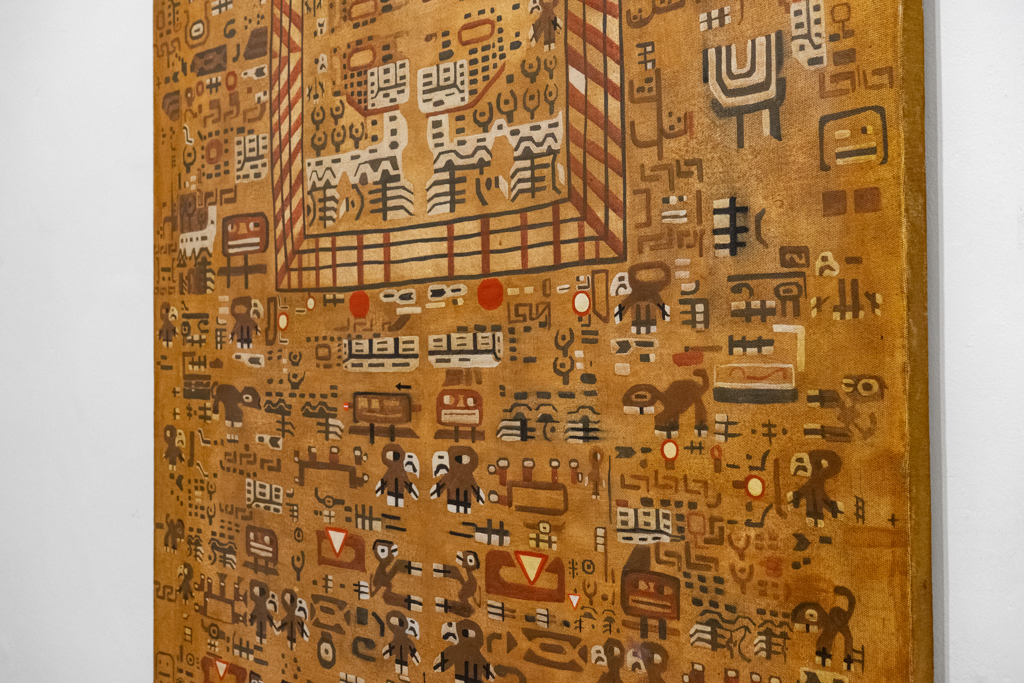
El proyecto se soporta en dos conceptos: Pallay y Marka. El término “pallay” es polisémico; significa recoger, contar, escoger, un proceso tanto manual como mental. Además, significa símbolo o icono. Así, cada comunidad, mediante el tejido, crea diversos pallay que definen su identidad en relación a su entorno.
Por otro lado, Marka proviene del aymara, palabra relativa al término quechua “llaqta”. Estas son tipologías urbanas, formas de denominar dimensiones espaciales distintas. Una posible definición sería aglomeración o un conjunto de espacios habitados o sobre los cuales se tiene influencia.
Los pallay son la representación sintética de lo circundante; el entorno está repleto de diversos tipos de pallay (ojos, espirales, ríos, flores, etc.), y conforman lo que entendemos como marka: el espacio habitado, el entorno social, el hábitat. Quillahuaman nos propone observar la estructura del tejido y su iconografía como elemento constitutivo tanto del entorno como de sus componentes.
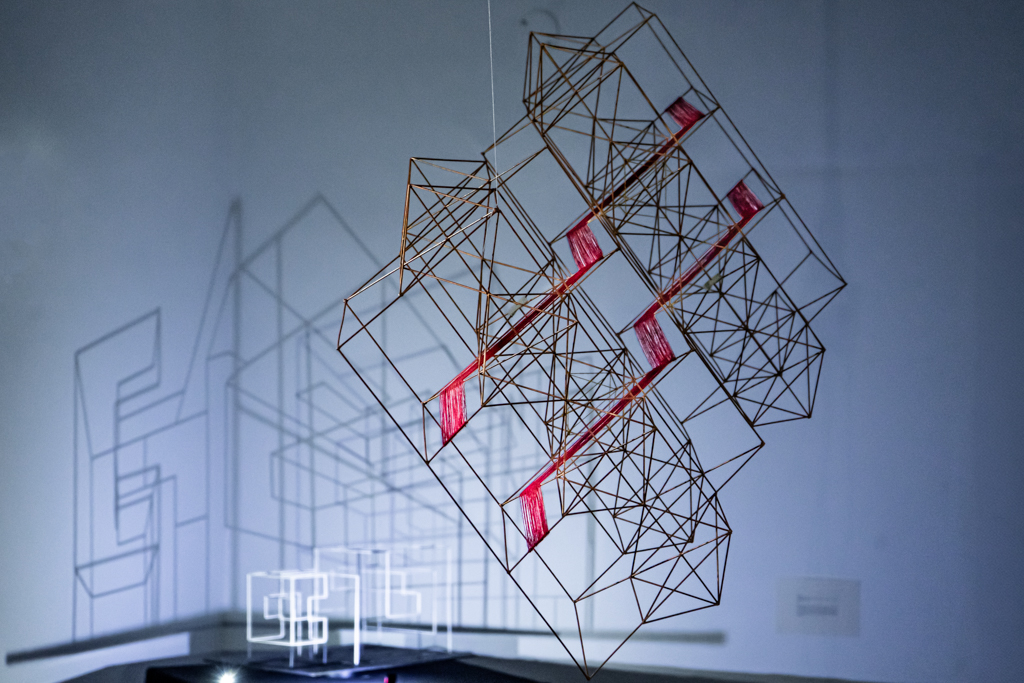
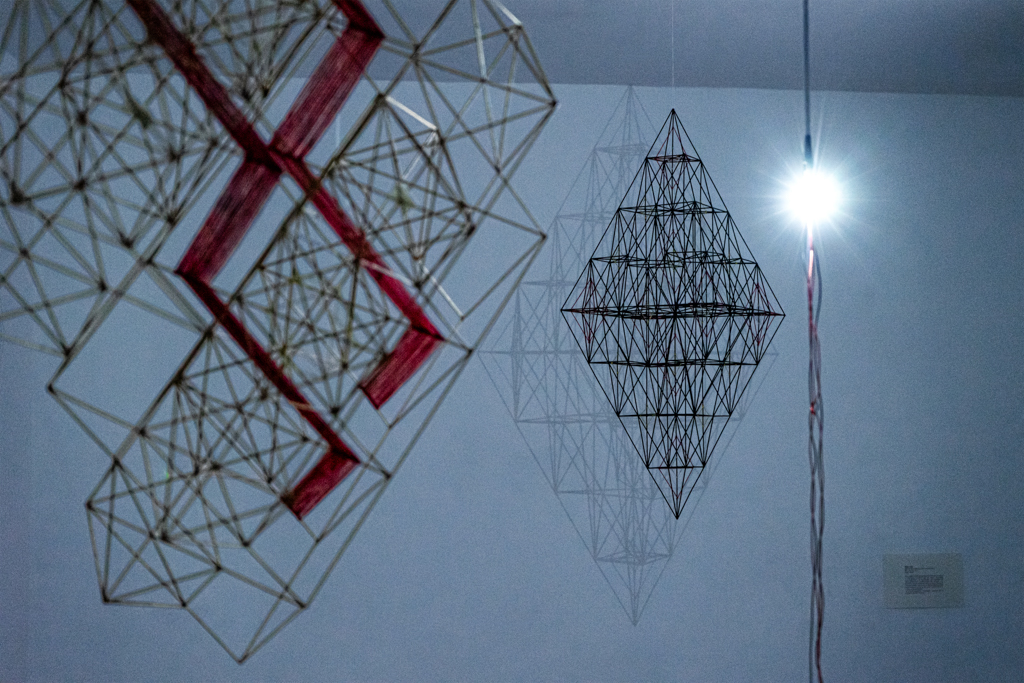
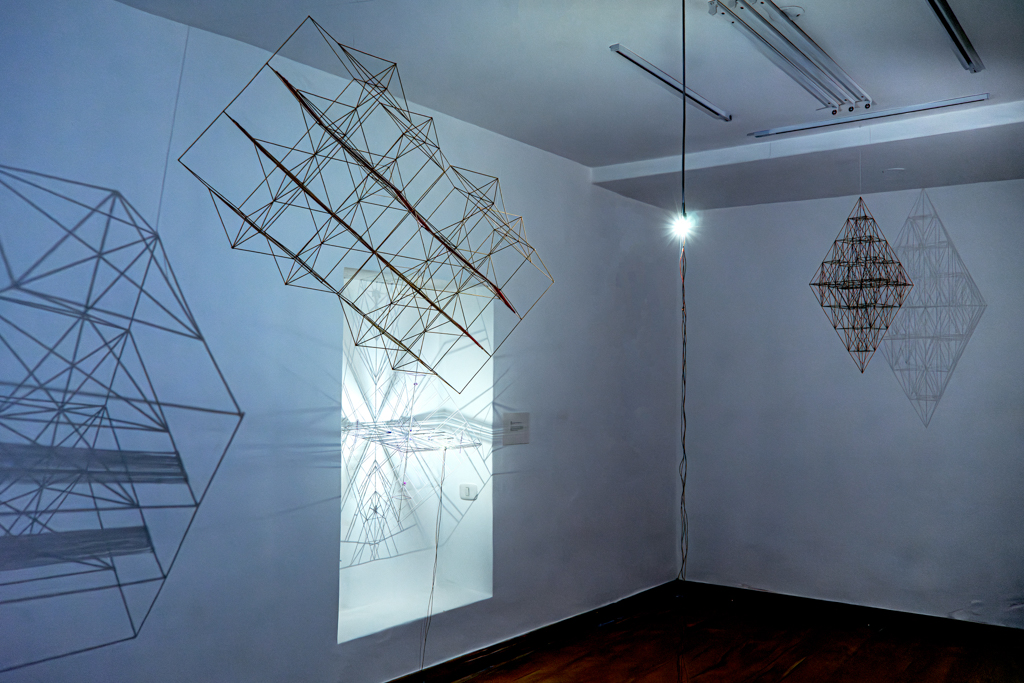
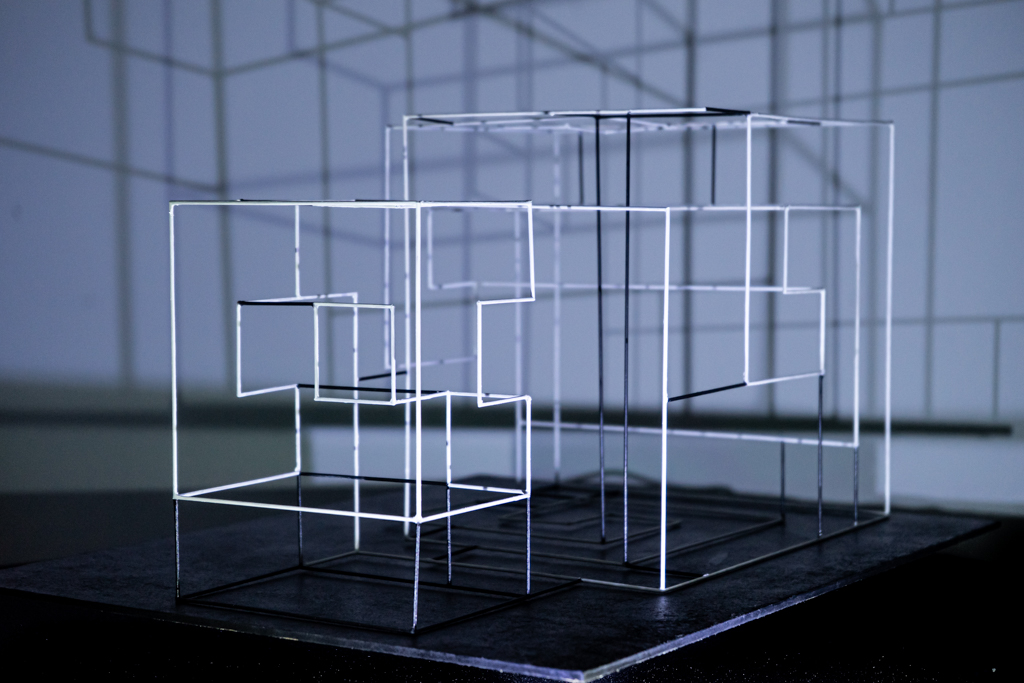
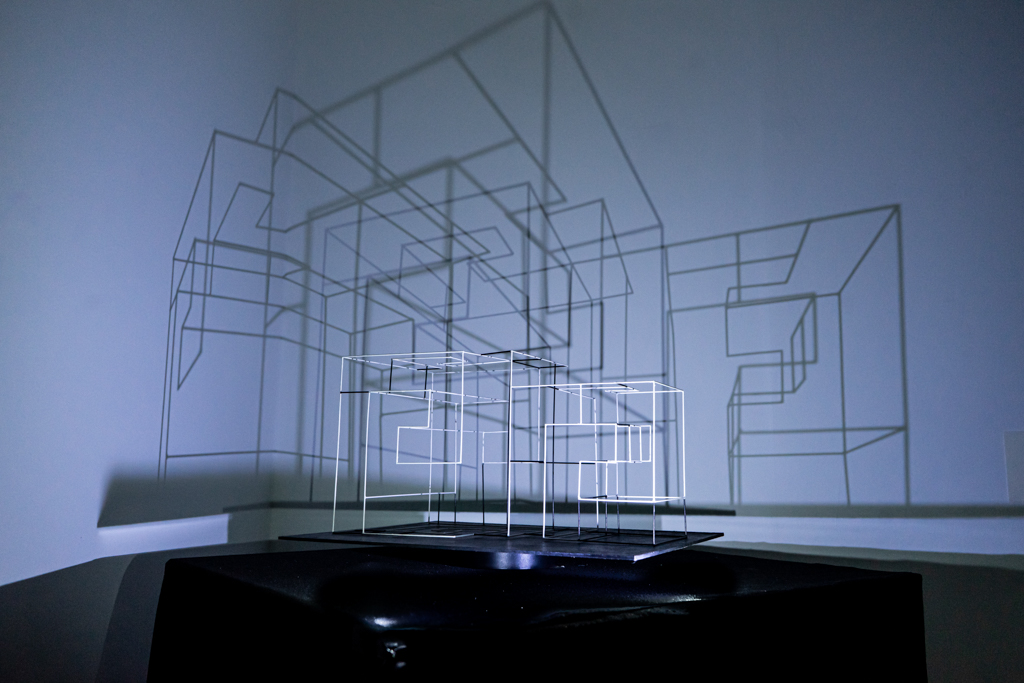
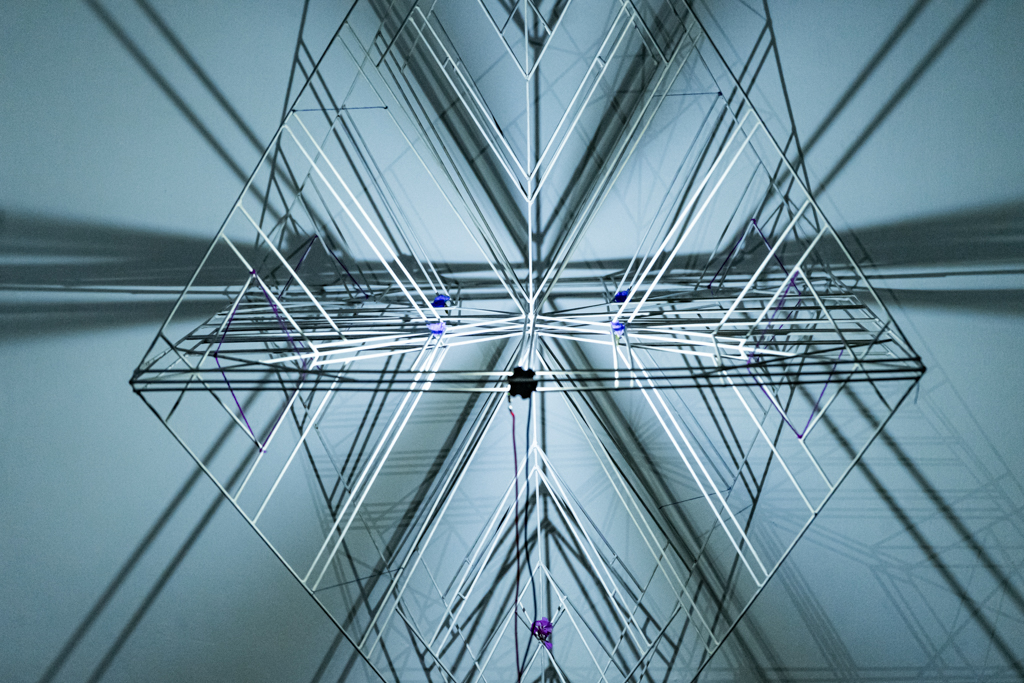
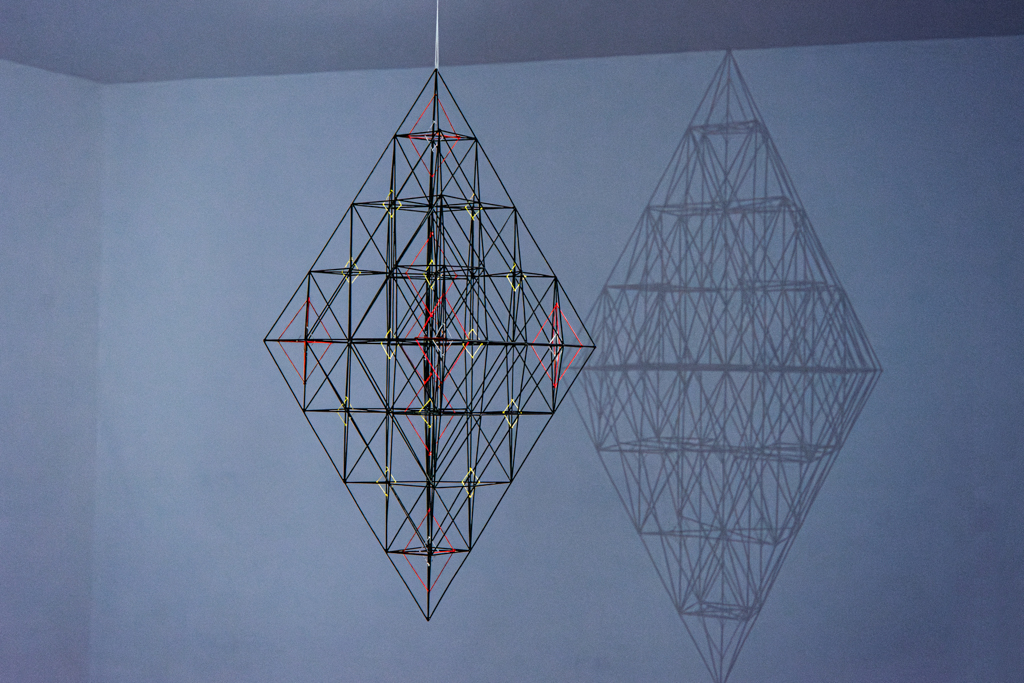
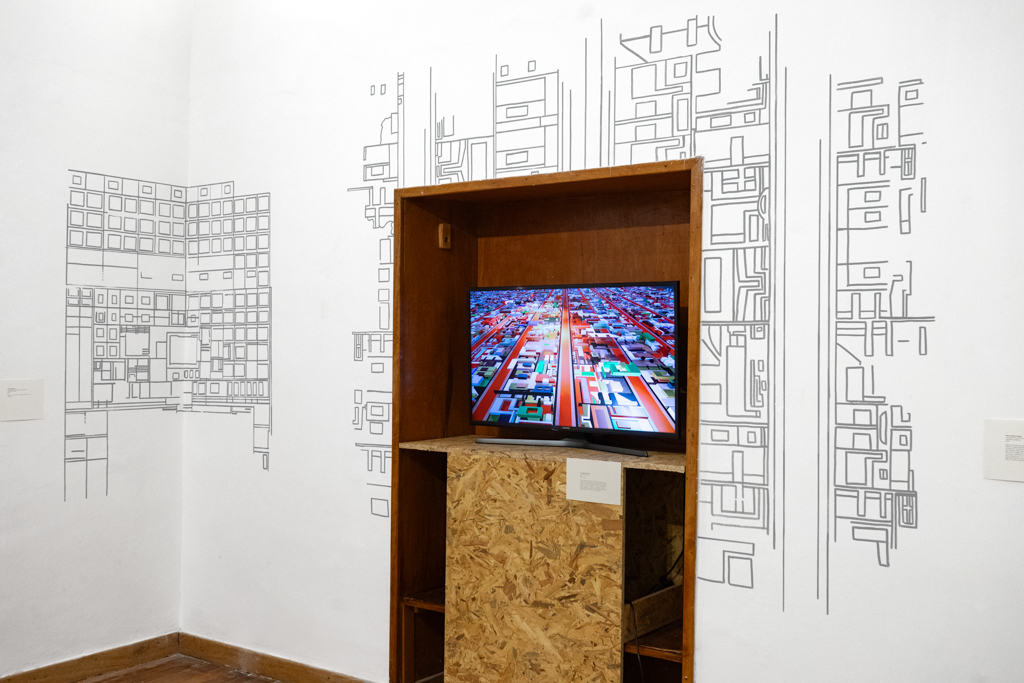
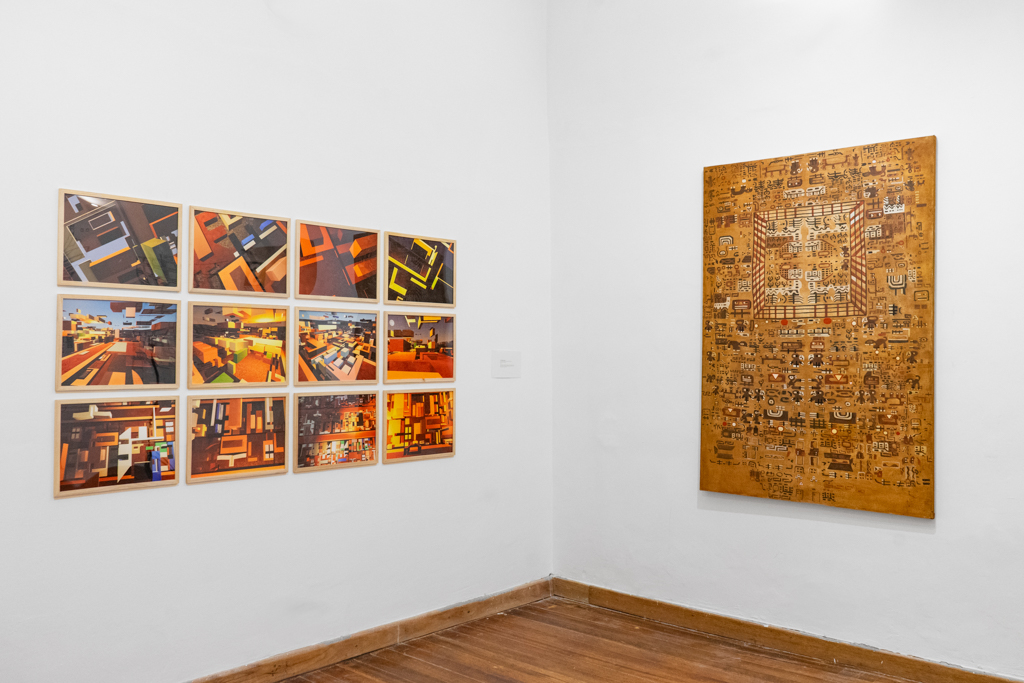
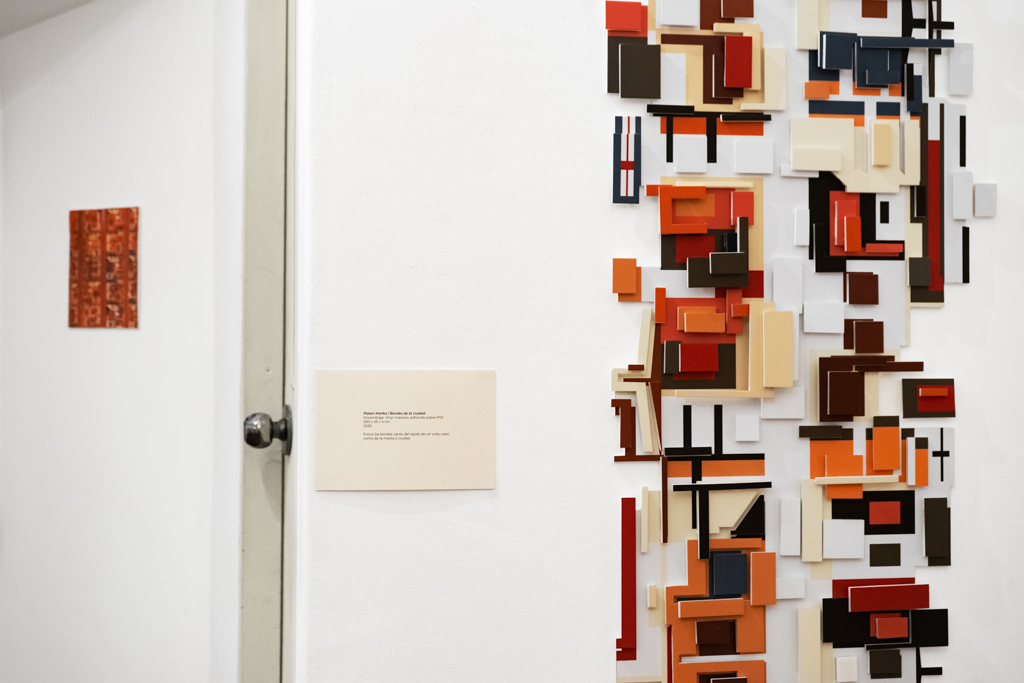
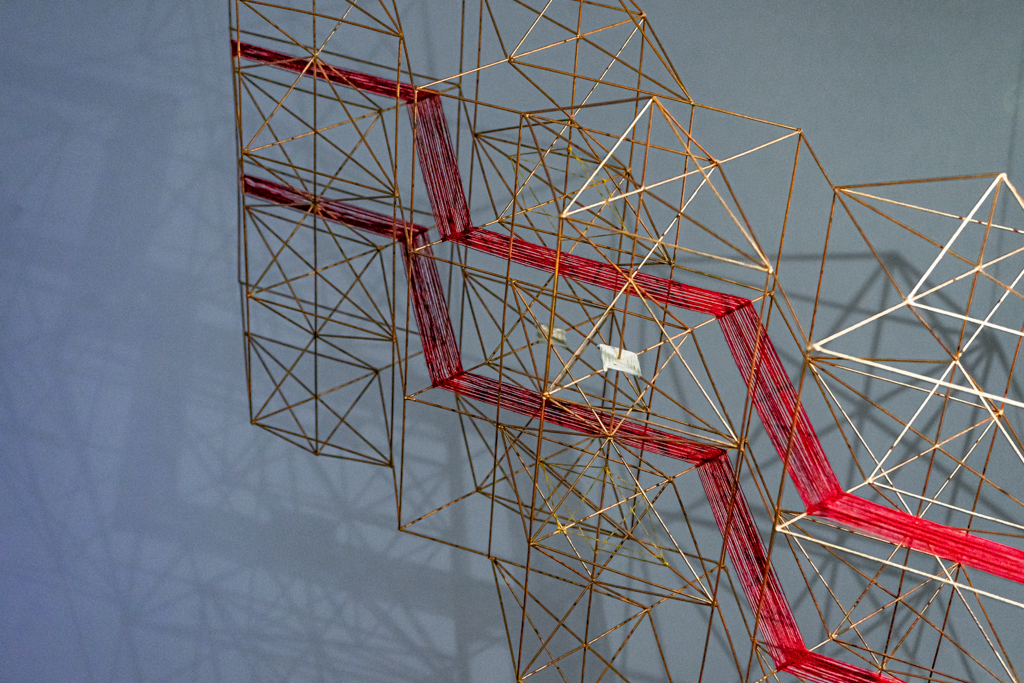
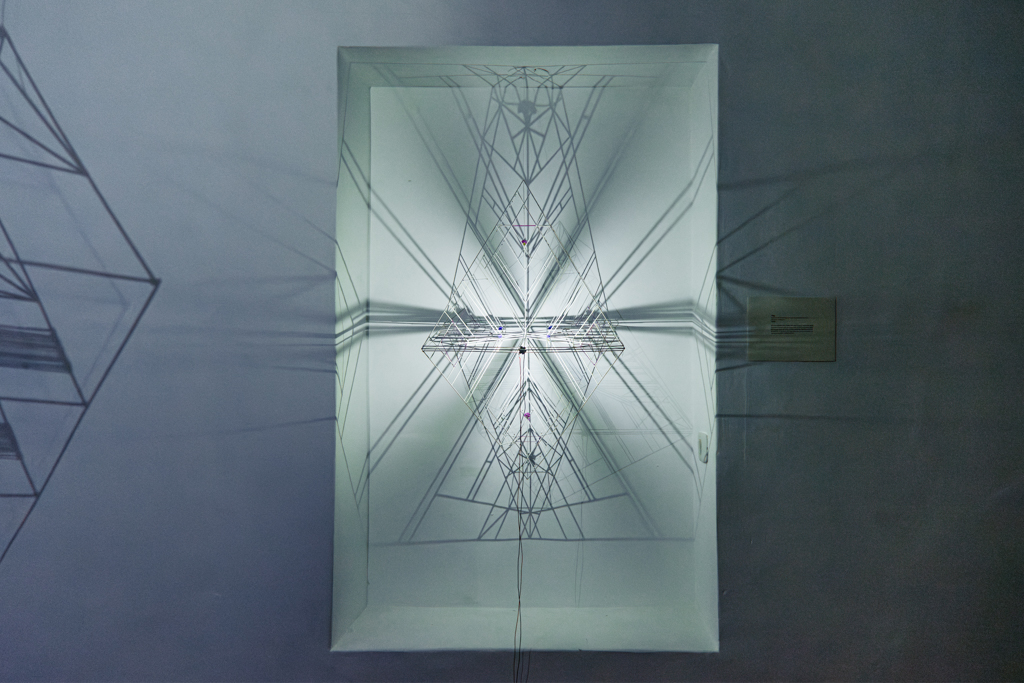
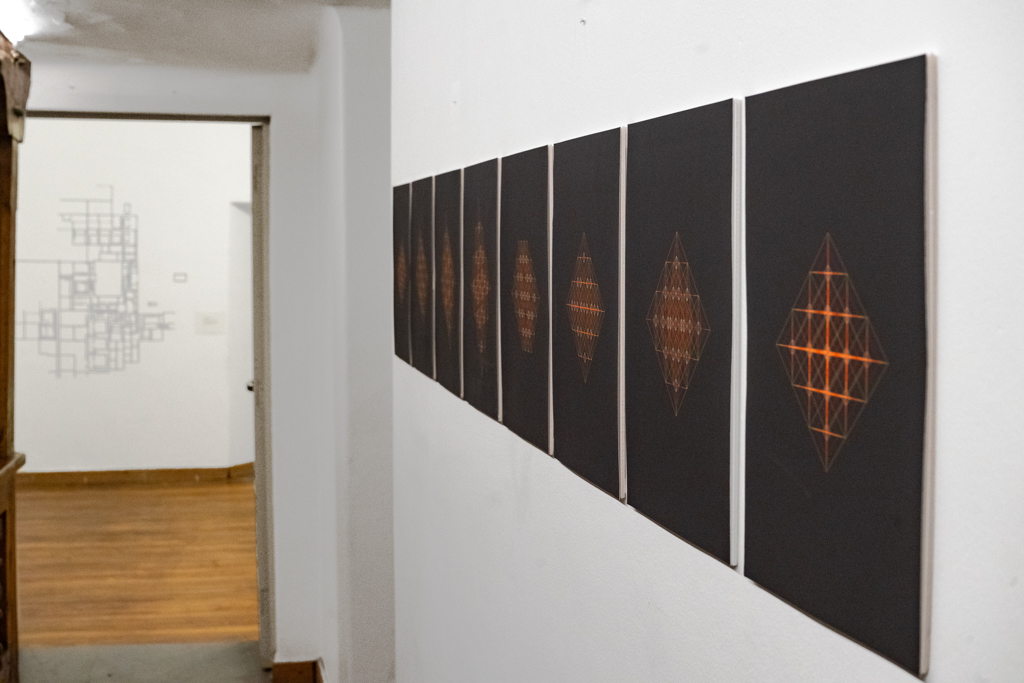
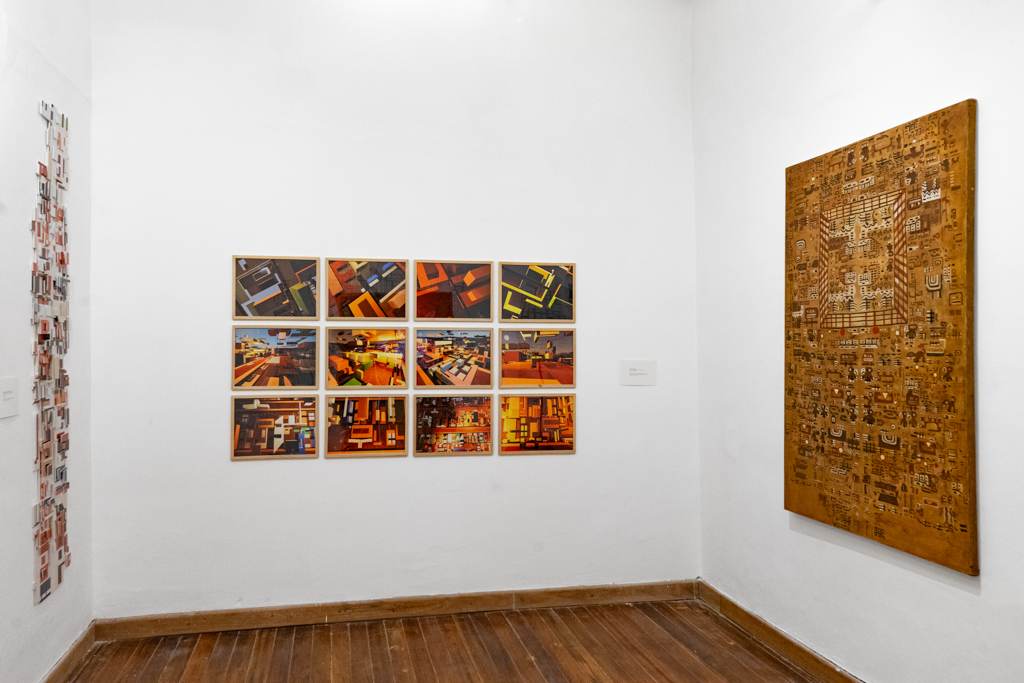
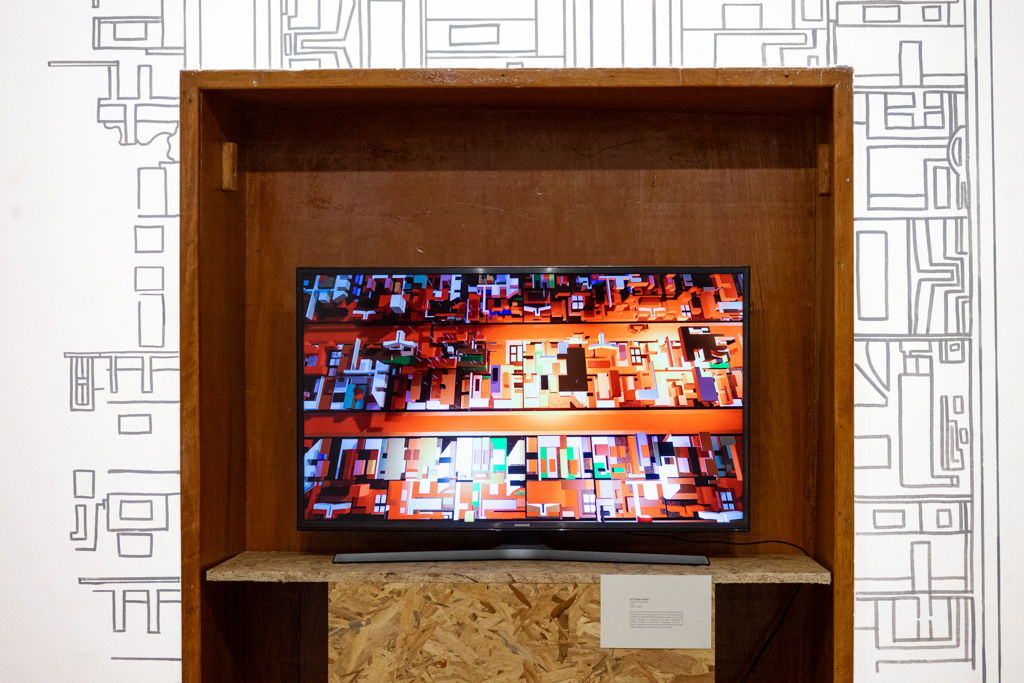
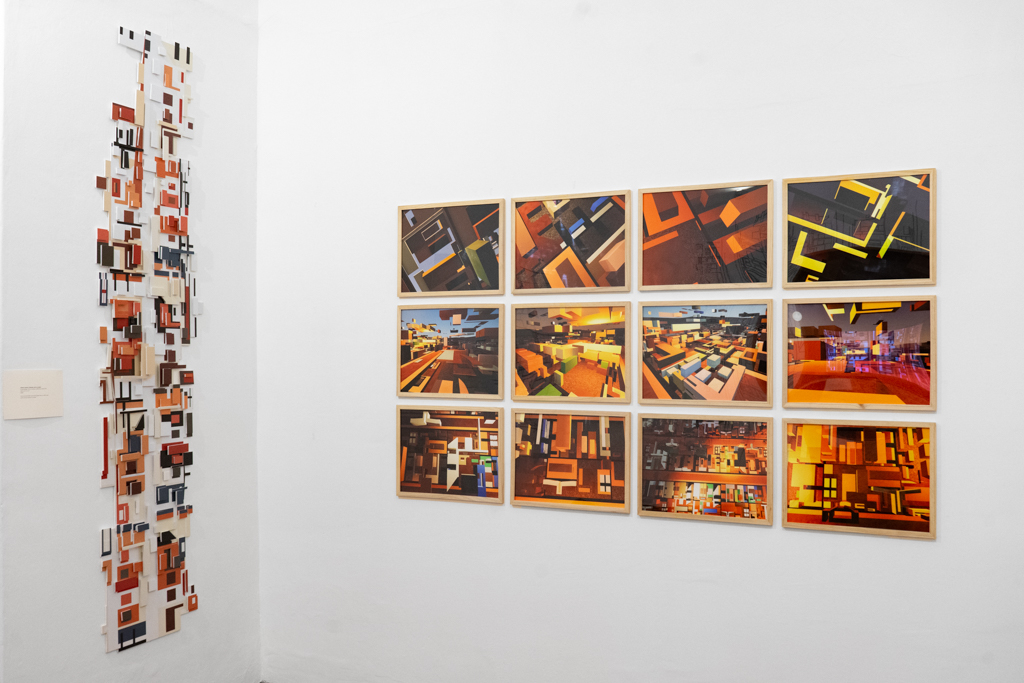
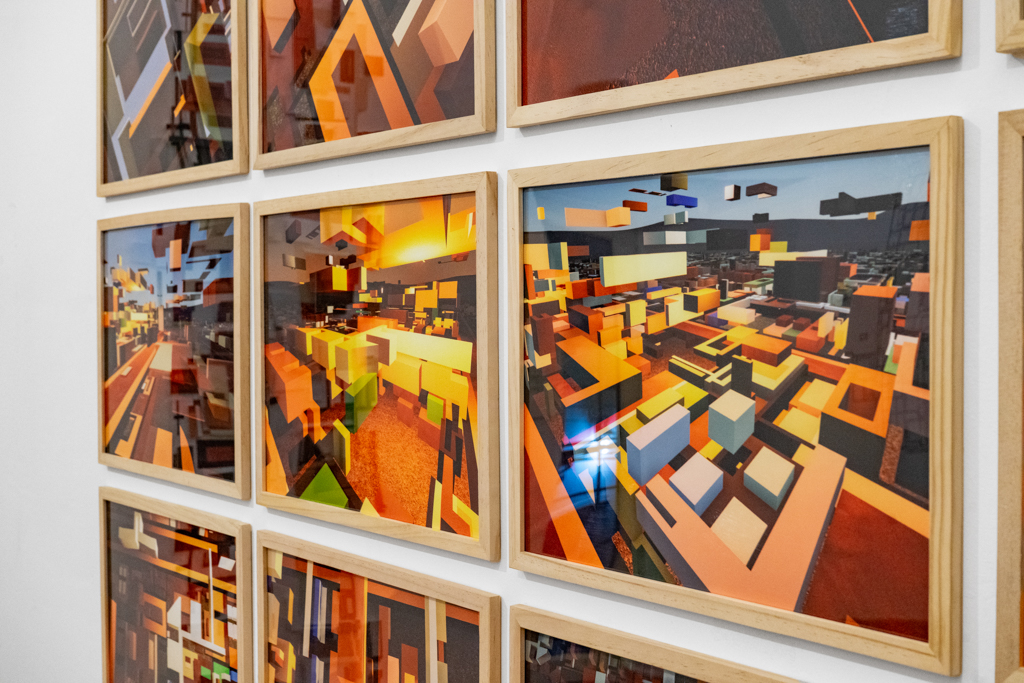
En su proceso, la artista aprende a tejer los pallay y entiende cómo se proyectan y entrecruzan los hilos. A partir de este aprendizaje, propone una observación espacial arquitectónica del pallay. Evoca y deconstruye el proceso del tejer a partir del programa Autocad, despliega el urdido y entramado, lo analiza desde todas sus caras, lo interpreta en isometrías, traduciendo lo aprendido en la matemática espacial propia del tejido andino.
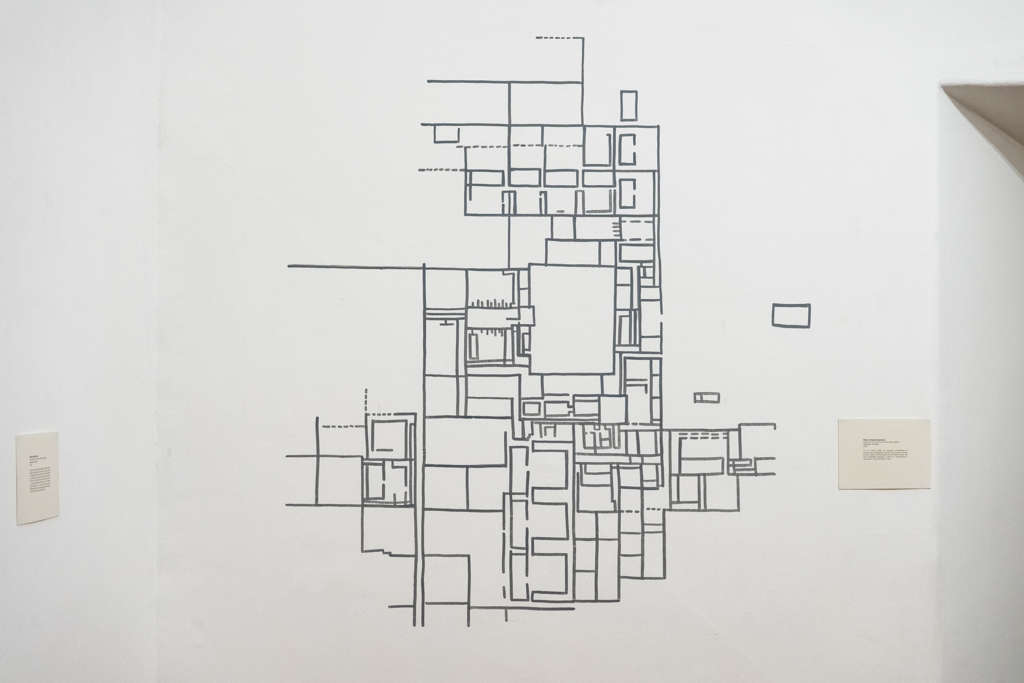
Por otra parte, Quillahuaman centra su atención en dos tejidos Wari y los pone en diálogo con el trazo urbano de Viracochapampa y Pikillacta, que son de la misma cultura y además comparten la misma tipología urbana. Según crónicas de Bernabé Cobo, posiblemente el nombre original de Pikillaqta fue Qayto Marka (Ciudad de Hilo). Aquí, la artista nos plantea, por un lado, un paralelo entre la composición formal del tejido y el plano urbano de ambos emplazamientos, y, por otro, una mirada especulativa que ella propone como un proyecto más grande, vinculado a una protopía urbana.
En MARKAQ PALLAYNIN, la artista y arquitecta Luci Quillahuaman integra muy hábilmente el mundo de la tradición textil contemporánea, y aplica un pensamiento tridimensional que nos propone observar, desde otro ángulo, nuestra historia y tradiciones, planteando también observar nuestra contemporaneidad y futuro, libres de preconcepciones, abrazando la experimentación y el cruce de tecnologías.
Juan Salas Carreño
Diciembre de 2025
[ENG]
MARKAQ PALLAYNIN
CITY MADE OF SYMBOLS
Solo exhibition by Luci Quillahuaman
The artist and architect Luci Quillahuaman presents an interdisciplinary proposal in which she integrates the knowledge of traditional weaving inherited from her family with architecture and the visual arts.
The project is grounded in two concepts: Pallay and Marka. The term pallay is polysemic; it means to gather, to count, to choose—a process that is both manual and mental. It also means symbol or icon. Thus, each community, through weaving, creates different pallay that define its identity in relation to its environment.
Marka, on the other hand, comes from Aymara and is related to the Quechua term llaqta. These are urban typologies, ways of naming different spatial dimensions. One possible definition would be an agglomeration or a set of inhabited spaces, or spaces over which influence is exercised.
Pallay are a synthetic representation of what surrounds us; the environment is filled with different types of pallay (eyes, spirals, rivers, flowers, etc.), and together they form what we understand as marka: inhabited space, the social environment, the habitat. Quillahuaman invites us to observe the structure of weaving and its iconography as a constitutive element of both the environment and its components.
In her process, the artist learns to weave pallay and understands how the threads are projected and interlaced. From this learning, she proposes an architectural, spatial observation of pallay. She evokes and deconstructs the act of weaving using the program AutoCAD, unfolding the warp and weft, analyzing it from all sides, interpreting it in isometries, and translating what she has learned into the spatial mathematics inherent to Andean weaving.
At the same time, Quillahuaman focuses her attention on two Wari textiles and places them in dialogue with the urban layouts of Viracochapampa and Pikillacta, which belong to the same culture and also share the same urban typology. According to chronicles by Bernabé Cobo, the original name of Pikillaqta may have been Qayto Marka (City of Thread). Here, the artist proposes, on the one hand, a parallel between the formal composition of the textile and the urban plans of both sites, and on the other, a speculative view that she presents as part of a larger project linked to an urban protopian vision.
In MARKAQ PALLAYNIN, the artist and architect Luci Quillahuaman skillfully integrates the world of contemporary textile tradition and applies a three-dimensional way of thinking that invites us to look at our history and traditions from another angle, while also encouraging us to observe our contemporaneity and future free of preconceptions, embracing experimentation and the crossing of technologies.
Juan Salas Carreño
December 2025